




 WeChat


High-Quality Electrical Steel from China Suppliers - Top Factory for Silicon Lamination Steel
Applications
Electrical steel is used in various electrical applications due to its magnetic properties. Its main uses include:
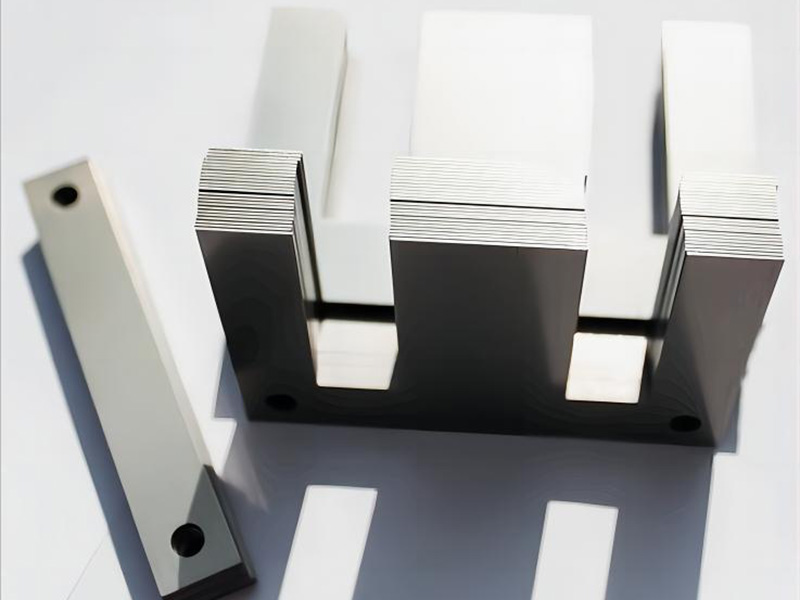
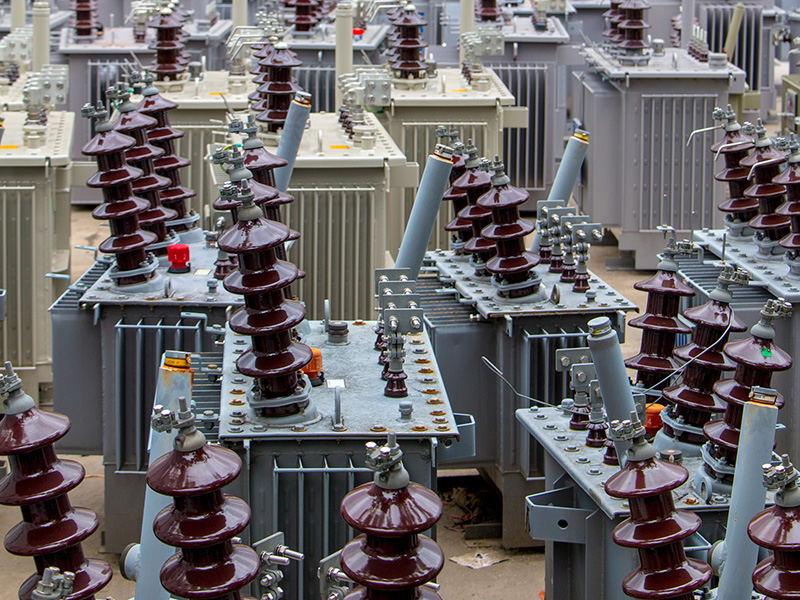
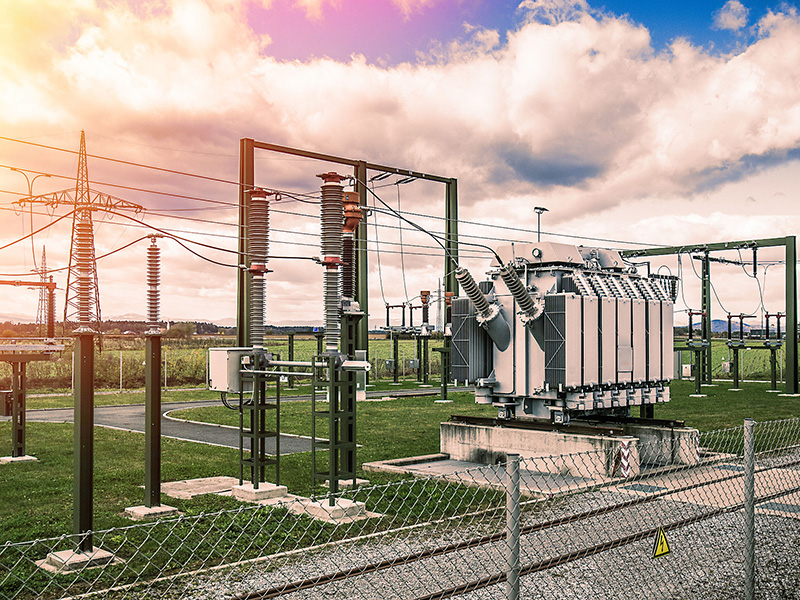
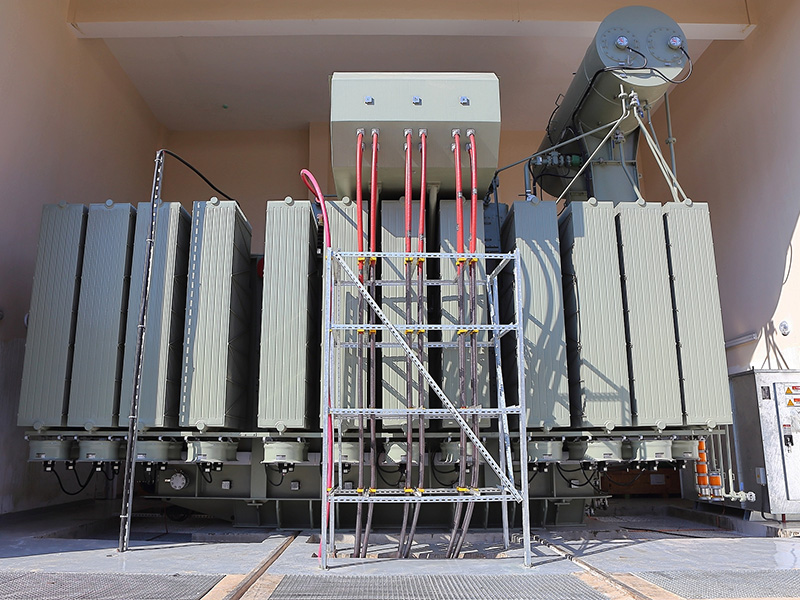
Efficiently direct magnetic flux, reducing energy loss. The main parts of electrical transformers are transformer cores. Their main job is to make it easier for magnetic induction to efficiently transmit electrical energy from one circuit to another. The transformer's primary winding generates magnetic flux, which the core focuses and directs onto the secondary winding to transform voltage. This makes it possible to distribute electricity at various voltage levels, which is necessary for power transmission and distribution.
Categories
1. Cold Rolled Grain Oriented Electrical Steel (CRGO)
CRGO is a specialized variant of electrical steel with anisotropic magnetic properties. The manufacturing process for this type involves careful control of crystal orientation. Sheets are rolled in a manner that aligns the crystal grains predominantly in one specific direction relative to the sheet, creating a preferred direction for maximum magnetic permeability.
CRGO plays a pivotal role in the fabrication of energy-efficient transformers and high-performance generators. Its characteristics include low power loss per cycle, low core loss, and high permeability, all optimized for a distinct magnetization orientation. Because of its crystal orientation, CRGO, which enhances magnetic permeability in one direction, is perfect for transformers. The magnetic field direction of rotating machinery, which necessitates materials with isotropic magnetic properties, continually varies. Therefore, this anisotropic attribute isn't appropriate.
2. Cold Rolled Non-Grain Oriented Electrical Steel (CRNGO)
CRNGO is distinguished by its isotropic magnetic behavior, or the fact that its magnetic properties are constant in all directions. During the manufacturing process, the molten CRNGO steel is cast into thin sheets without special processing to deliberately produce a particular alignment of the crystal lattices within the grains. This lack of a preferred crystal orientation results in the steel's uniform magnetic behavior.
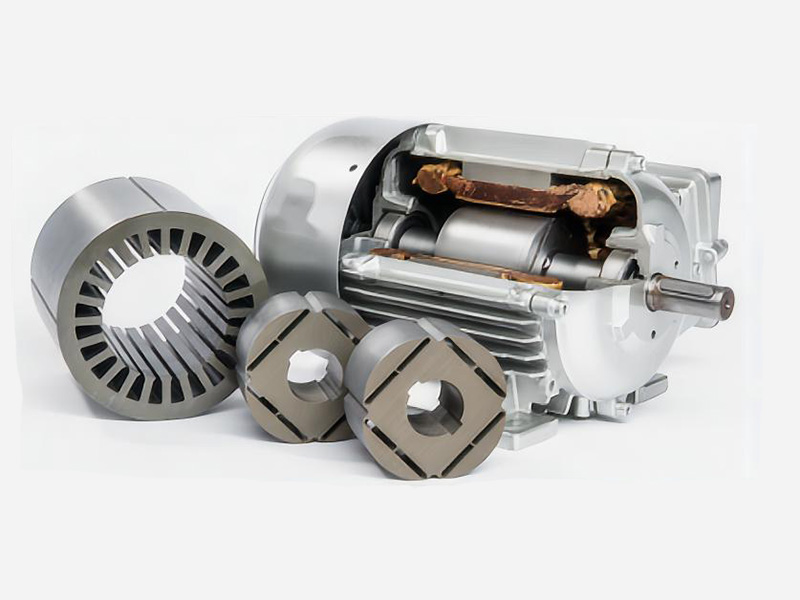
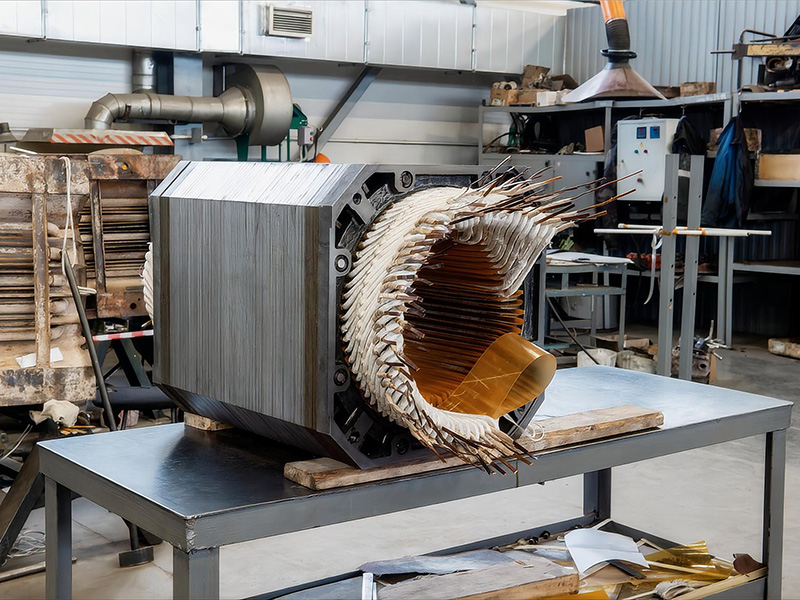
CRNGO is suitable for applications requiring consistent performance in all directions. CRNGO finds its primary use as core parts in electrical motors and generators. Using CRNGO in rotating machinery is sensible because it maintains consistent magnetic properties in all directions, optimizing energy efficiency. Unlike Cold Rolled Grain Oriented Steel, CRNGO adapts well to the changing magnetic field directions in motors and generators, reducing energy loss. Its noteworthy properties include high permeability, low core loss, and cost-effectiveness, making it a practical choice for applications where isotropic magnetic behavior is advantageous.
Key Features
- Excellent Magnetic Properties Electrical Steel possesses exceptional magnetic properties, making it an ideal choice for numerous electromagnetic applications.
- Precise Composition Carefully engineered composition ensures optimal magnetic performance.
- Low Losses Lamination and insulation reduce eddy current losses, improving the efficiency of electromagnetic devices.
- Wide Range of Applications From transformers to electric motors, Electrical Steel finds extensive use in various industries.
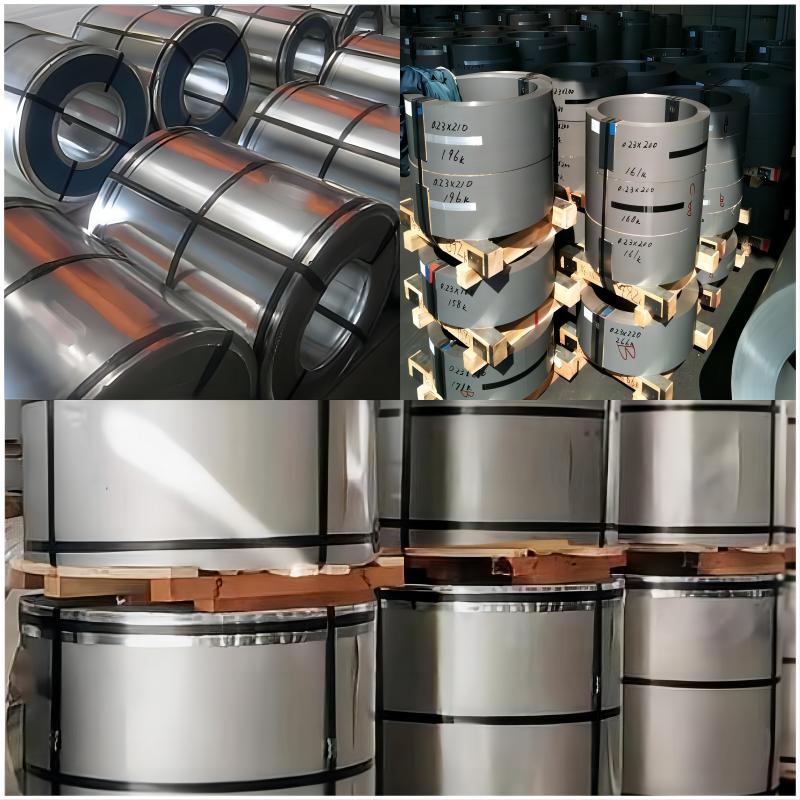
Electrical Steel, also known as silicon steel or lamination steel, is a specialized type of steel engineered to exhibit excellent magnetic properties. It is designed for use in electromagnetic applications where high magnetic efficiency is crucial. This type of steel is primarily composed of iron with varying silicon content, while maintaining low levels of carbon and other impurities. Electrical Steel is supplied in sheet form for lamination purposes, where multiple sheets are stacked and insulated to reduce eddy current losses and improve the efficiency of electromagnetic devices.
This unique material is designed to meet the demanding requirements of various electromagnetic applications, making it an essential component in the production of electrical equipment and devices.
One of the key features of Electrical Steel is its composition, which typically consists of iron and varying silicon contents. This combination allows the material to achieve superior magnetic characteristics, including high magnetic permeability and low core loss. Additionally, Electrical Steel is carefully manufactured to maintain minimal levels of carbon and impurities, ensuring consistent and reliable performance in electrical applications.
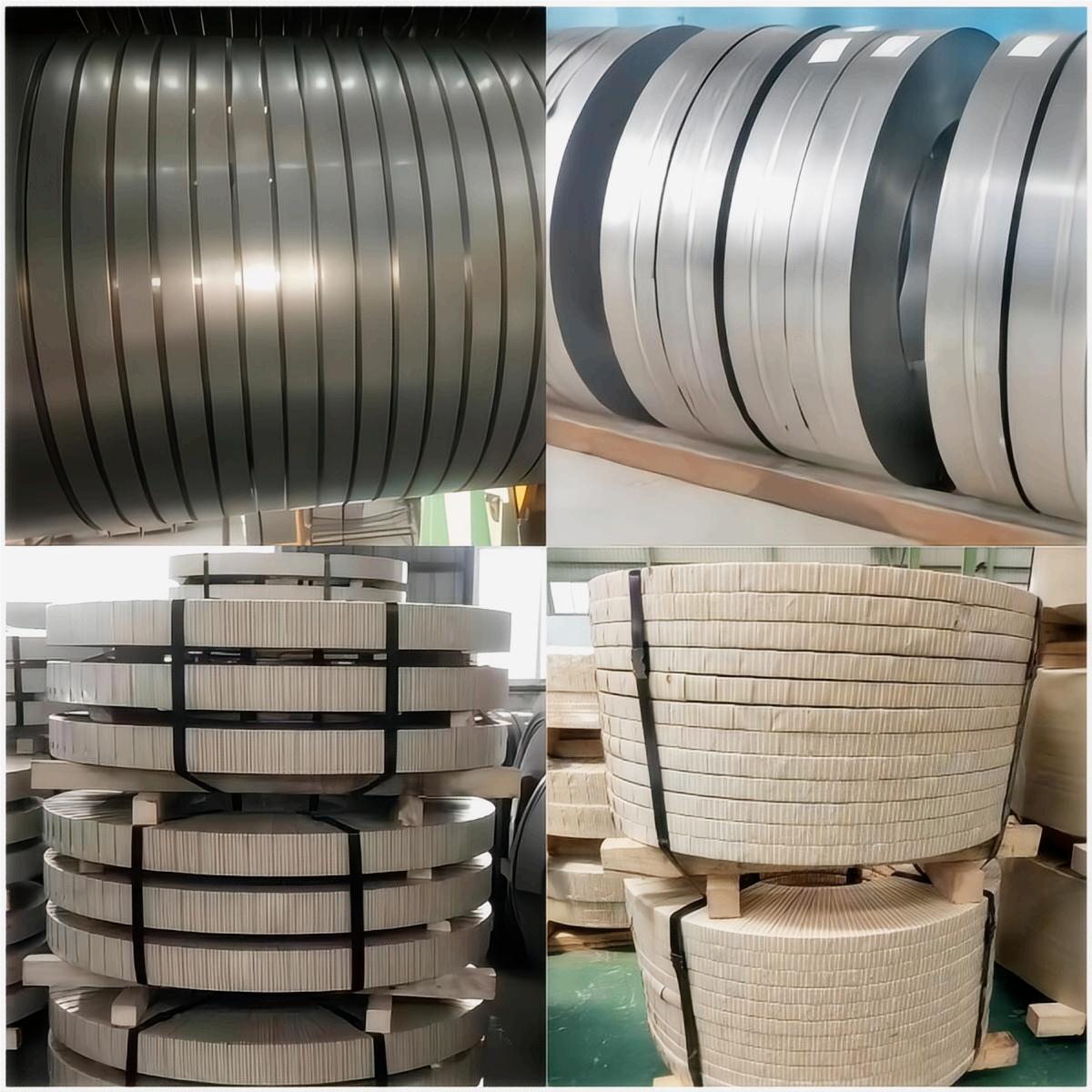
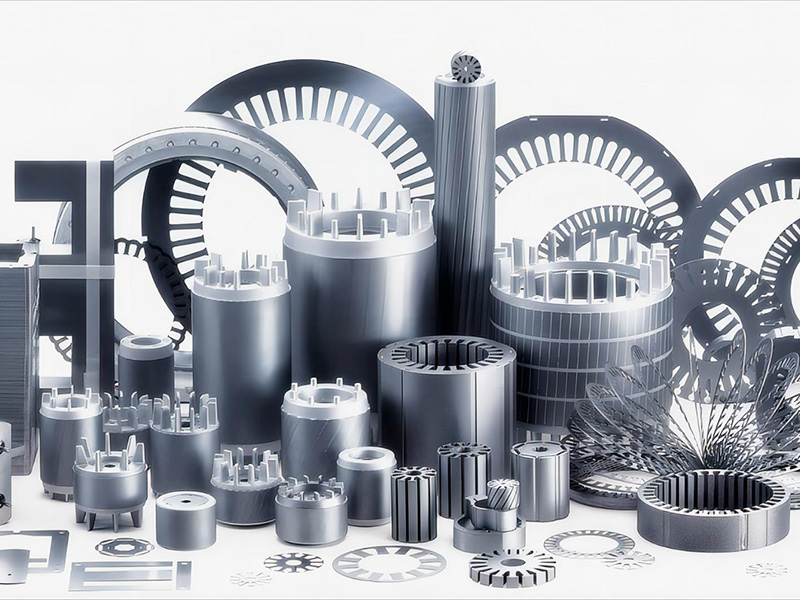
The unique sheet form of Electrical Steel makes it ideal for lamination purposes. Multiple sheets of Electrical Steel are stacked together and insulated from one another, creating a laminated core that is essential for transformers, electric motors, and other electromagnetic devices. This lamination process helps to minimize energy losses and improve the overall efficiency of the electrical equipment.
The Shockingly Good Properties of Electrical Steel make it an indispensable material in the electrical and power industries. Its ability to efficiently transfer and control electrical energy has a significant impact on the performance and reliability of various electrical devices. Whether it's in the form of transformer cores, motor laminations, or inductors, Electrical Steel plays a crucial role in the functionality of these essential components.
Electrical Steel is a vital material in the field of electrical engineering, offering superior magnetic properties and efficiency. Its unique composition and properties make it an essential component in a wide range of electromagnetic devices, contributing to their efficiency and reliability.
Application Gallery
Application
Application
Application
Application
Application
Application
Application