




 WeChat
Hot Products


0102030405
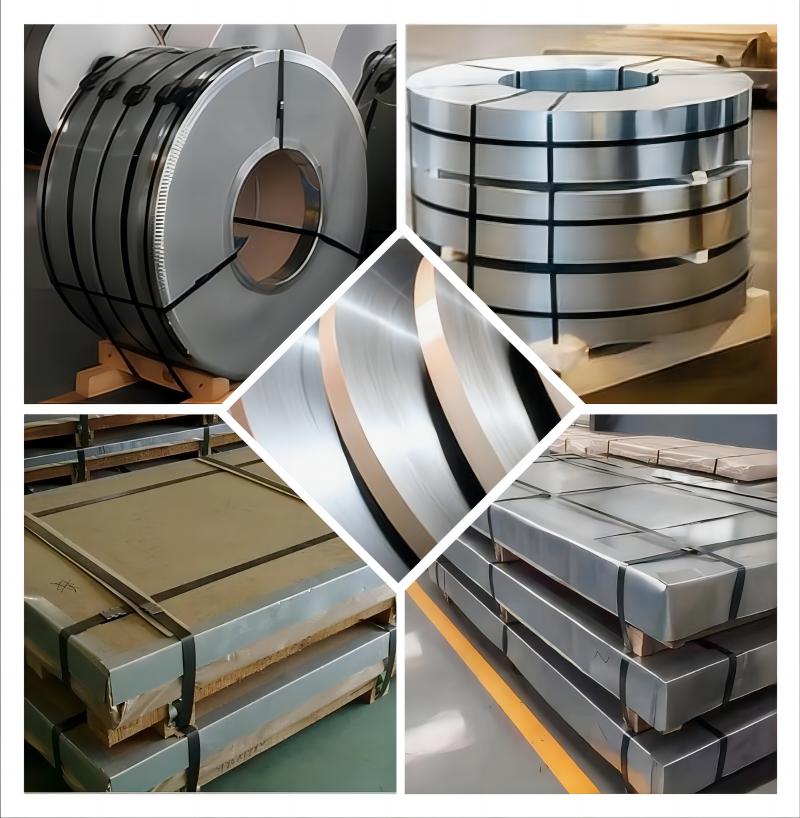
China Stainless Steel Factory: Top Suppliers of Corrosion-Resistant Alloys with High Chromium Content
Introduction
| Major categories | Characteristics | Applications |
|---|---|---|
|
|
|
Standard Comparison
| Type | China | Japan | U.S.A | Europe | |
|---|---|---|---|---|---|
| GB | JIS | ASTM/AISI | UNS | BSEN | |
| Austenitic stainless steel | 2Cr17Mn6Ni5N | SUS201 | 201 | S20100 | 1.4372 |
| 12Cr18Mn9Ni5N | SUS202 | 202 | S20200 | 1.4373 | |
| 12Cr17Ni7 | SUS301 | 301 | S30100 | 1.4319 | |
| 06Cr19Ni10 | SUS304 | 304 | S30400 | 1.4301 | |
| 022Cr19Ni10 | SUS304L | 304L | S30403 | 1.4306 | |
| 06Cr19Ni10N | SUS304N1 | 304N | S30451 | 1.4315 | |
| 06Cr19Ni9NbN | SUS304N2 | XM21 | S30452 | — | |
| 022Cr19Ni10N | SUS304LN | 304LN | S30453 | — | |
| 10Cr18Ni12 | SUS305 | 305 | S30500 | 1.4303 | |
| 06Cr23Ni13 | SUS309S | 309S | S30908 | 1.4833 | |
| 06Cr25Ni20 | SUS310S | 310S | S31008 | 1.4845 | |
| 06Cr17Ni12Mo2 | SUS316 | 316 | S31600 | 1.4401 | |
| 06Cr17Ni12Mo2T | SUS316Ti | 316Ti | S31635 | 1.4571 | |
| 022Cr17Ni12Mo2 | SUS316L | 316L | S31603 | 1.4404 | |
| 06Cr17Ni12Mo2N | SUS316N | 316N | S31651 | — | |
| 022Cr17Ni13Mo2N | SUS316J1 | 316LN | S31653 | 1.4429 | |
| 06Cr18Ni12Mo2Cu2 | SUS316J1 | — | — | — | |
| 022Cr18Ni14Mo2Cu2 | SUS316J1L | — | — | — | |
| 06Cr19Ni13Mo3 | SUS317 | 317 | S31700 | — | |
| 022Cr19Ni13Mo3 | SUS317L | 317L | S31703 | 1.4438 | |
| 06Cr18Ni11Ti | SUS321 | 321 | S32100 | 1.4541 | |
| 06Cr18Ni11Nb | SUS347 | 347 | S34700 | 1.455 | |
| Duplex stainless steel | — | SUS329J1 | 329 | S32900 | 1.4477 |
| 022Cr19Ni5Mo3Si2N | SUS329J3L | — | S31803 | 1.4462 | |
| Ferritic stainless steel | 06Crl3A | SUS405 | 405 | S40500 | 1.4002 |
| 022Cr11Ti | SUS409 | 409 | S40900 | 1.4512 | |
| 022Cr12 | SUS410L | — | — | — | |
| 0Cr17 | SUS430 | 430 | S43000 | 1.4016 | |
| 10Cr17Mo | SUS434 | 434 | S43400 | 1.4113 | |
| 022Cr18NbTi | SUS430JIL | 441 | S43940 | 1.4509 | |
| 019Cr19Mo2NbTi | SUS444 | 444 | S44400 | 1.4521 | |
| Martensitic stainless steel | 12Cr12 | SUS403 | 403 | S40300 | — |
| 12Cr13 | SUS410 | 410 | S41000 | 1.4006 | |
| 20Cr13 | SUS42011 | 420 | S42000 | 14,021 | |
| 30Cr13 | SUS420J2 | — | — | 1.4028 | |
| 68Cr17 | SUS440A | 440A | S44002 | — | |
Application
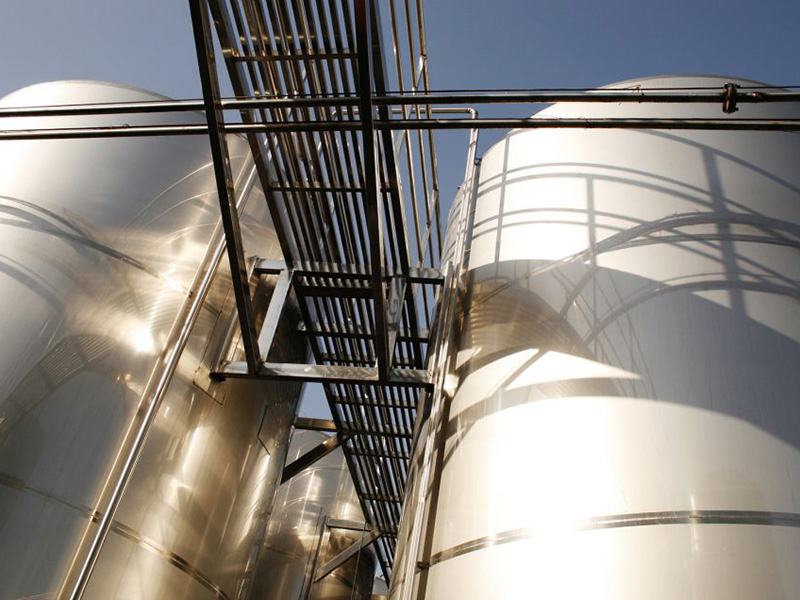
Application
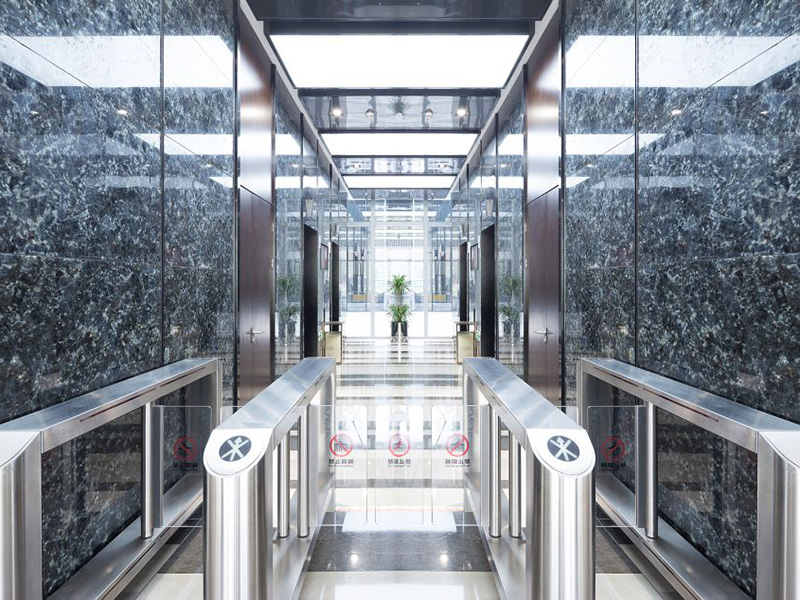
Application
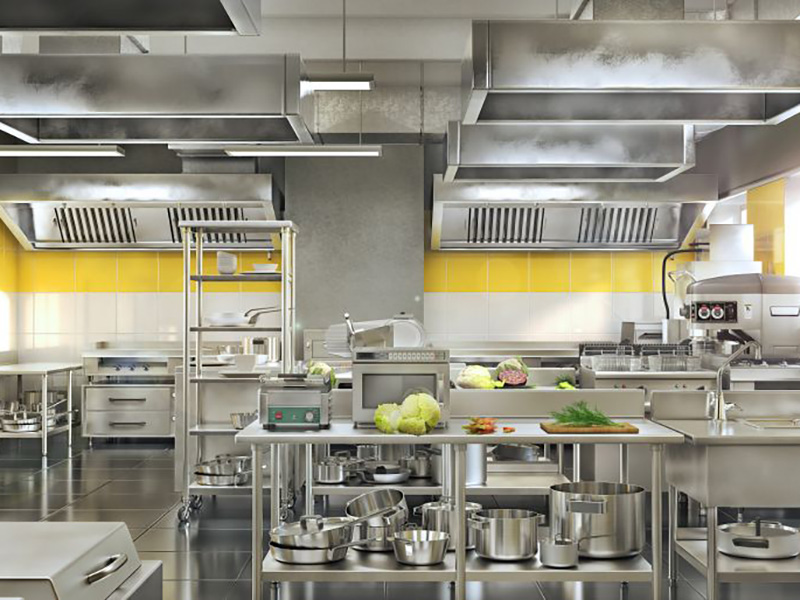
Application
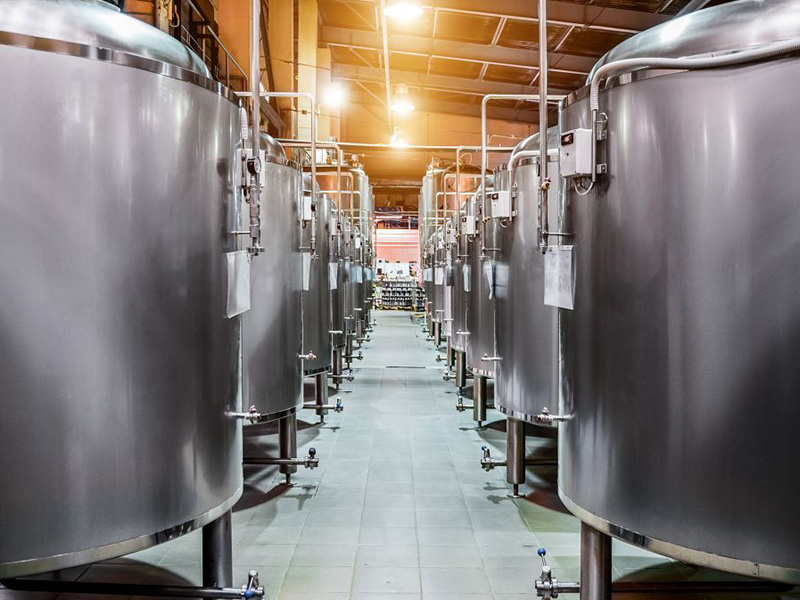
Application

Application
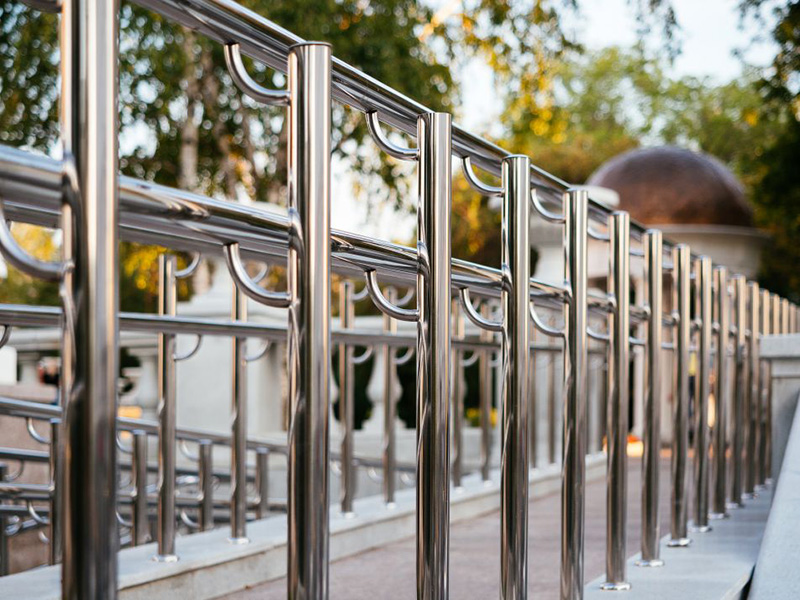
Application
Frequently Asked Questions
What are the main categories of stainless steel?
The main categories of stainless steel include Austenitic, Ferritic, Martensitic, Duplex, and Precipitation Hardening stainless steels. Each group has distinct chemical compositions and mechanical properties suited for different uses.
Why is Austenitic stainless steel the most widely used?
Austenitic stainless steels, such as SUS304 and SUS316, are highly popular because of their excellent corrosion resistance, high formability, ease of cleaning, and biological inertness, making them ideal for medical, food, and chemical industries.
How do standard designations compare globally (e.g., SUS304)?
Stainless steel standards vary by region. For example, Japan uses the JIS standard (SUS304), China uses GB (06Cr19Ni10), the United States uses ASTM/AISI (304) and UNS (S30400), and Europe uses the BSEN standard (1.4301). They refer to equivalent chemical grades.
What is the difference between SUS316 and SUS316L?
SUS316L (UNS S31603) is the low-carbon version of SUS316 (UNS S31600). The lower carbon content in 316L minimizes harmful carbide precipitation during welding, providing better corrosion resistance in welded structures.
Where is Duplex stainless steel typically applied?
Duplex stainless steels (like SUS329J3L or UNS S31803) combine the properties of austenitic and ferritic steels. They offer high strength and high resistance to stress corrosion cracking, making them ideal for marine, offshore, and chemical processing applications.